When to Consider Rewiring Your Home for Safety and Efficiency
Electrical systems form the backbone of modern homes, powering essential appliances, lighting, heating, cooling, and everyday conveniences. As homes age, wiring infrastructure can deteriorate, become outdated, or fail to meet increasing energy demands. Many properties built decades ago were not designed to support today’s high-load devices, smart systems, or energy-efficient upgrades. This creates hidden risks that often remain unnoticed until performance issues or safety concerns arise. Understanding when electrical rewiring becomes necessary is essential for maintaining both safety and long-term efficiency.
Rewiring is not only a corrective measure but also a preventive investment in property value and occupant protection. Electrical faults are among the leading causes of residential fires, and outdated wiring systems significantly increase this risk. At the same time, inefficient electrical networks can lead to frequent disruptions, higher energy consumption, and inconsistent appliance performance. Recognizing early warning signs and understanding system limitations helps ensure timely upgrades that align with modern safety standards and energy expectations.
Warning Signs of Outdated Home Wiring
Flickering Lights and Power Fluctuations
One of the earliest indicators of wiring issues is inconsistent lighting behavior. Flickering or dimming lights often suggest unstable voltage distribution within circuits. This may occur when wiring insulation has degraded or connections have loosened over time, reducing the reliability of electrical flow in the system and creating inconsistent performance across lighting fixtures throughout the home.
Frequent Circuit Breaker Trips
Circuit breakers are designed to protect electrical systems from overload. When trips occur repeatedly under normal usage conditions, it often signals that circuits are operating beyond safe capacity. This is commonly seen in older homes where wiring was not designed for modern appliance loads and cannot manage simultaneous energy demands placed on the system today.
Burning Smells and Discolored Outlets
A persistent burning odor near outlets or switches is a serious warning sign. This can indicate overheating wires or internal arcing. Discoloration around sockets or warm outlet covers also suggests excessive electrical resistance, which requires immediate attention and should never be ignored due to the potential for fire hazards developing within the electrical system over time.
Outdated Wiring Materials
Older electrical systems may include materials such as cloth-insulated wiring or aluminum conductors. These materials degrade faster and pose higher safety risks compared to modern copper-based systems. Their presence often signals the need for a full electrical evaluation to ensure safe operation and compliance with current electrical standards in residential properties.
Safety Risks Linked to Aging Electrical Systems
Increased Fire Hazards
Aging wiring significantly elevates the risk of electrical fires. Insulation breakdown, loose connections, and overloaded circuits can generate excessive heat. Over time, this heat buildup may ignite surrounding materials, creating dangerous conditions within walls or ceilings that can spread rapidly if not addressed through timely inspection and corrective electrical upgrades.
Overloaded Electrical Circuits
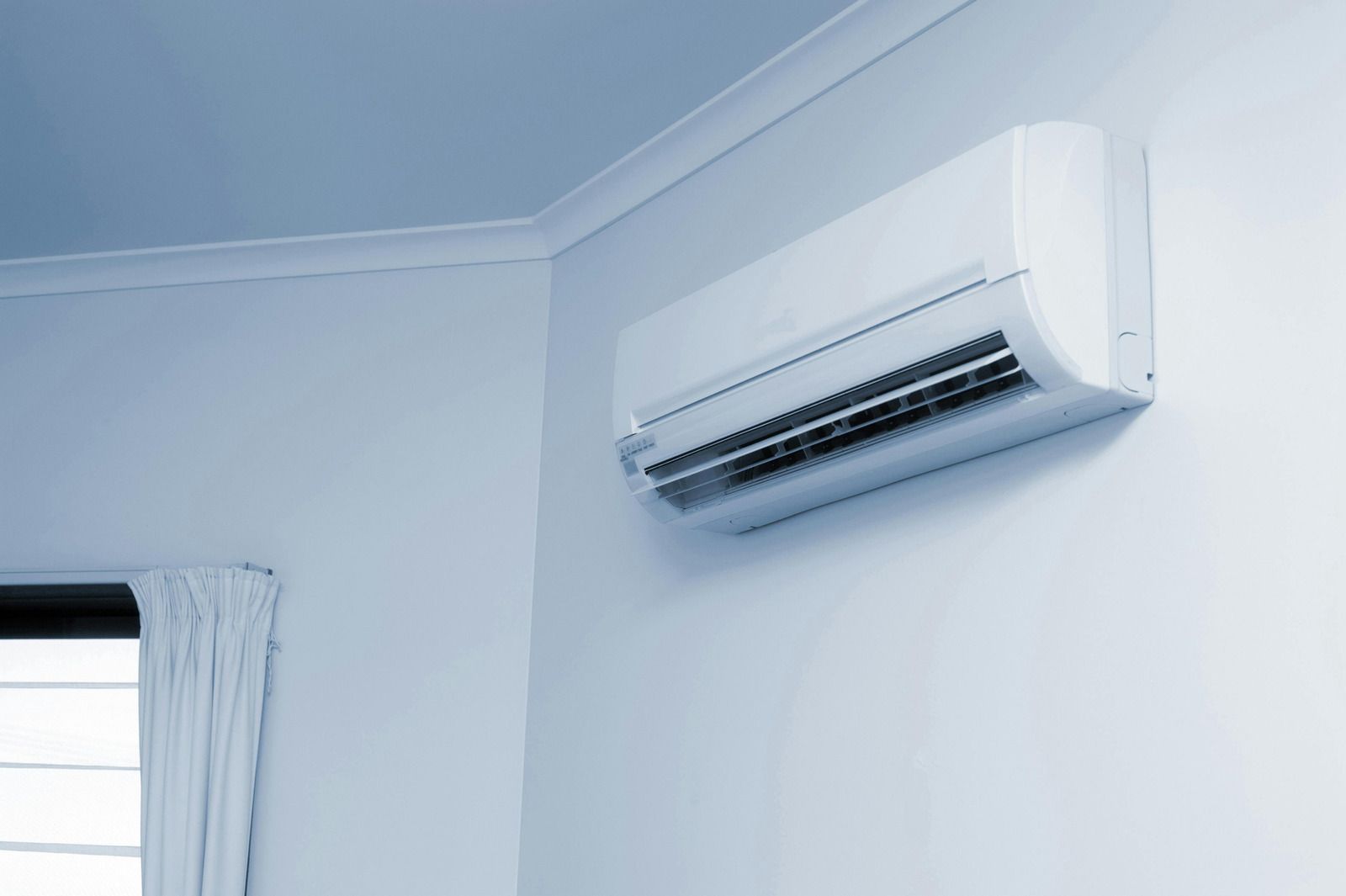
Modern households use significantly more electricity than older systems were designed to handle. Air conditioning units, kitchen appliances, entertainment systems, and charging devices can collectively exceed safe circuit limits. This overload places continuous stress on wiring infrastructure, increasing the likelihood of system inefficiency and potential electrical failures during peak usage periods.
Hidden Wiring Degradation
Electrical deterioration often occurs behind walls, making it difficult to detect without professional inspection. Cracked insulation, corroded connections, and outdated junction boxes can all contribute to system instability. These issues tend to worsen gradually, increasing long-term risk and reducing overall electrical system reliability within residential environments over extended periods.
Electrical Shock Risks
Damaged wiring or improperly grounded systems increase the likelihood of electrical shock. This risk is especially concerning in areas with moisture exposure such as kitchens, bathrooms, and outdoor outlets. Proper grounding and updated wiring significantly reduce these hazards, ensuring safer environments for occupants and minimizing accidental contact with live electrical components.
Efficiency Improvements Through Rewiring
Stable Energy Distribution
Modern rewiring ensures consistent voltage flow across all circuits. This stability improves appliance performance and reduces strain on electrical components. As a result, devices operate more efficiently and experience fewer interruptions, supporting smoother household functionality and reducing unexpected downtime across multiple connected systems during daily usage.
Reduced Energy Waste
Outdated wiring systems often lose energy through resistance and heat generation. Upgraded wiring materials minimize energy loss, allowing electricity to be used more effectively. This contributes to lower utility consumption over time and supports improved household efficiency while reducing unnecessary strain on the electrical infrastructure during continuous operation.
Support for Smart Home Systems
Smart home technologies require reliable and consistent electrical infrastructure. Rewiring allows seamless integration of automation systems, security devices, and energy management tools. Without proper wiring, these systems may experience connectivity issues or performance limitations that affect usability, responsiveness, and overall technological efficiency within modern residential environments.
Improved Appliance Lifespan
Unstable electrical supply can shorten the lifespan of household appliances. Voltage fluctuations place stress on motors, compressors, and internal circuits. A properly rewired system helps maintain stable power delivery, protecting long-term appliance investment and reducing the likelihood of premature breakdowns in essential home equipment.
When Rewiring Becomes Necessary
Age of Electrical System
Homes older than several decades often contain outdated wiring that no longer meets current electrical standards. Even if functioning, these systems may lack the capacity for modern energy demands. Age is one of the strongest indicators that a full inspection is required to ensure continued safety and reliable electrical performance throughout the property.
Home Renovations and Expansions
Major renovations, such as kitchen upgrades or room additions, significantly increase electrical load requirements. Existing wiring may not support new appliances, lighting systems, or HVAC upgrades. Rewiring ensures compatibility with expanded infrastructure and prevents overloading issues that could compromise long-term electrical safety and system efficiency within the upgraded space.
High-Demand Appliances
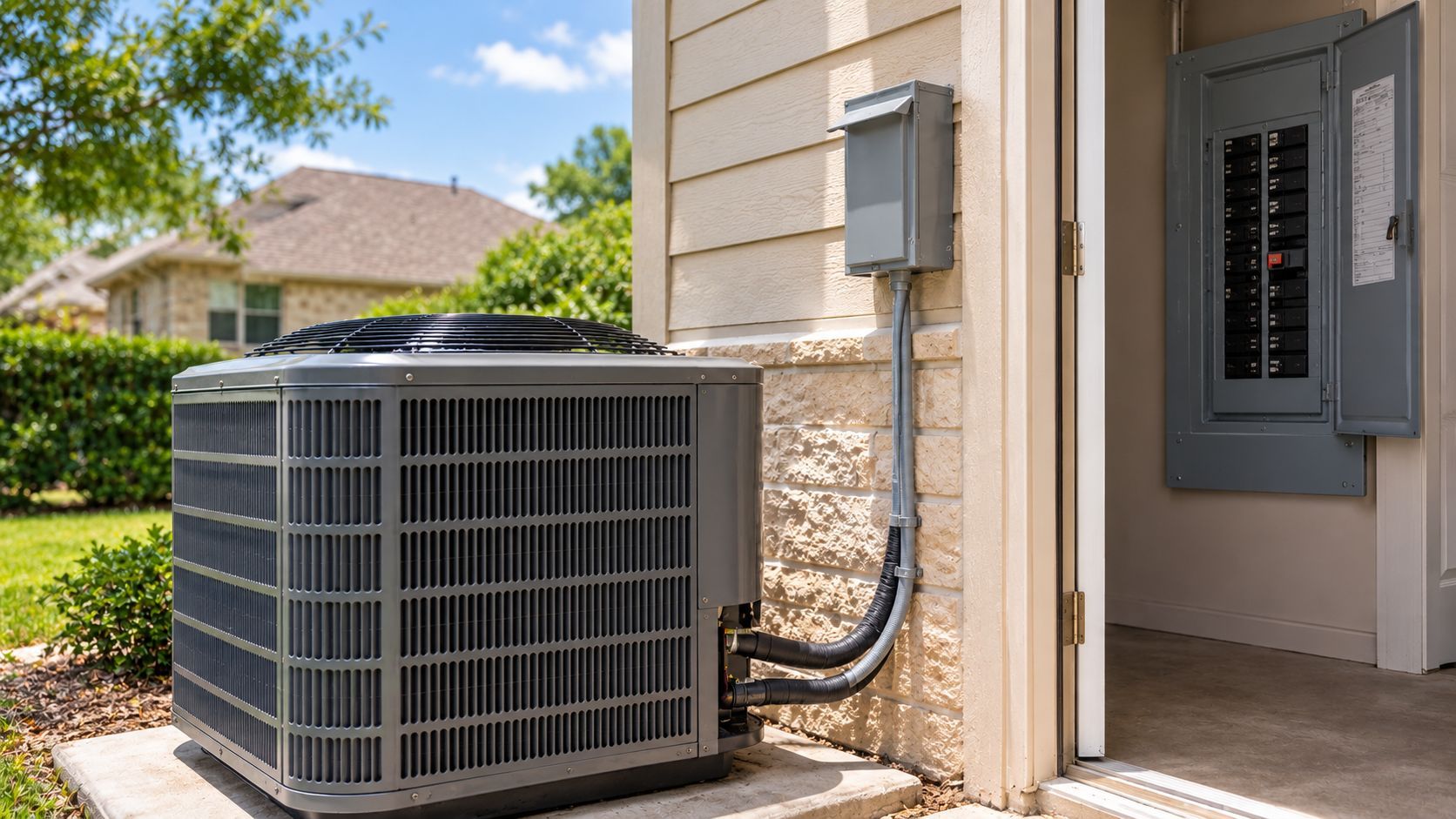
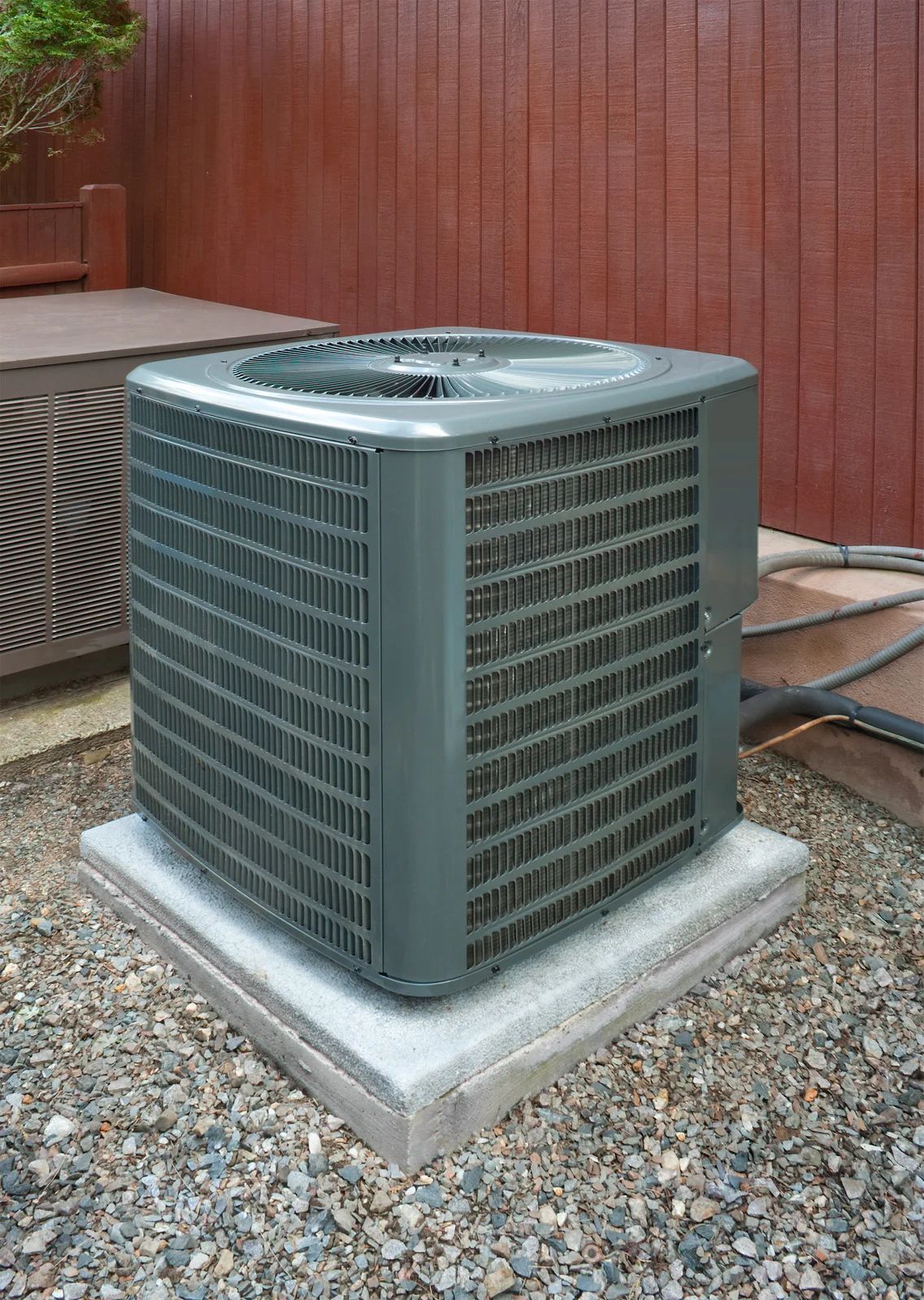
Appliances such as central air conditioning systems, water heaters, and electric vehicle chargers require dedicated circuits. Older wiring systems may not have the capacity to safely support these additions, making upgrades essential for maintaining system stability, preventing overload risks, and ensuring consistent electrical performance under heavy usage conditions.
Persistent Electrical Issues
Repeated electrical faults such as tripped breakers, inconsistent power supply, or overheating outlets indicate deeper system limitations. Temporary fixes may resolve symptoms, but underlying wiring issues often require comprehensive replacement to restore safe and reliable electrical function throughout the entire home environment and prevent recurring disruptions over time.
Insurance and Compliance Requirements
Electrical safety standards evolve over time, and outdated systems may not meet current codes. In some cases, insurance providers may require upgrades to maintain coverage. Rewiring ensures compliance with modern safety regulations and supports eligibility for property insurance while reducing liability risks associated with aging electrical infrastructure.
Rewiring Process and Best Practices
Professional Electrical Inspection
A detailed inspection is the first step in identifying wiring deficiencies. Load assessments, circuit mapping, and safety evaluations help determine the scope of required upgrades. This ensures targeted and efficient rewiring planning to improve overall system safety, performance, and long-term electrical reliability within residential and commercial environments.
Load Calculation and System Design
Proper electrical design considers current usage and future expansion needs. Load calculations ensure that circuits are distributed effectively to prevent overload conditions. This step is essential for long-term system stability and optimized electrical performance across all connected appliances and devices within the property structure.
Safe Removal of Old Wiring
Old wiring is carefully removed or deactivated to eliminate safety risks. This process must be handled with precision to avoid damage to structural components and ensure compliance with safety standards during the transition from outdated systems to modern electrical infrastructure upgrades.
Installation of Modern Wiring Systems
New wiring is installed using updated materials that offer improved durability, conductivity, and heat resistance. Proper grounding and circuit separation enhance overall system reliability, reduce electrical faults, and ensure consistent power delivery across all areas of the home for improved operational safety and long-term efficiency.
Permits and Code Compliance
Electrical rewiring must adhere to local building codes and safety regulations. Proper permits ensure that all work meets required standards and passes inspection, providing long-term assurance of safety and quality while supporting legal compliance and reducing risks associated with improper electrical installations in residential environments.
Reliable Electrical Upgrades Backed By Decades of Experience
Rewiring a home is a critical step in maintaining electrical safety, improving energy efficiency, and supporting modern lifestyle demands. Warning signs such as flickering lights, frequent breaker trips, and outdated wiring materials should never be ignored. Addressing these issues early helps prevent serious hazards, including electrical fires and system failures. Upgrading wiring infrastructure also enhances performance, reduces energy waste, and ensures compatibility with advanced technologies.
Electrical systems are not designed to last indefinitely without intervention. As usage demands evolve, infrastructure must adapt to maintain safe and efficient operation. Timely rewiring ensures that homes remain reliable, functional, and aligned with current safety standards.
CenTex Superior Services, based in Belton, Texas, brings over 40
years of experience in HVAC and electrical service solutions. Deep technical knowledge and long-standing industry presence support a strong commitment to safety, reliability, and precision in every project.
Electrical rewiring
is approached with a focus on long-term performance and code compliance, ensuring that each system upgrade supports both present and future needs. Every service is delivered with a dedication to quality workmanship, customer trust, and consistent results that stand the test of time.