AC Keeps Tripping the Breaker on Startup? What It's Trying to Tell You
Quick Answer: A breaker that trips the instant your AC starts almost always points to a startup electrical problem, not a simple overload. The compressor draws a heavy burst of current the moment it kicks on, called inrush current, and if a capacitor is weak, a contactor is worn, or the compressor itself is struggling, that burst climbs high enough to trip the breaker before the unit ever gets running. A technician can usually pin down the exact part with a few amp and capacitance readings. But if the trip happens the instant you flip the breaker back on, stop resetting it and call for a diagnostic visit instead.
You hit the thermostat, the unit hums for half a second, then the whole system dies along with a chunk of your house. You walk to the panel, flip the breaker back up, and it happens again. Maybe it holds for a few minutes this time before it trips again. Maybe it dies the second the compressor tries to kick on. Either way, your AC is telling you something specific, and it's worth listening before you keep cycling that breaker.
A unit that trips on startup is a different animal than one that trips after running an hour. A startup trip almost always traces back to what happens in the first second or two after the compressor gets a call for power, and there's a short list of parts responsible for getting it through that moment cleanly.
Why Startup Is the Hardest Moment for Your AC
Every compressor motor needs a jolt of extra current to break loose from a dead stop and get its internal parts spinning. That jolt is called inrush current, and at its peak it's known as locked rotor amps, or LRA. For a second or two, a healthy compressor can pull three to five times its normal running amperage. That's completely normal and completely invisible to you as the homeowner, because it happens and passes in an instant.
The parts of your AC built specifically to manage that spike are the run capacitor, the start capacitor on units that use one, and the contactor. When those components do their job, the surge is brief and the breaker never notices. When one of them is worn out, the compressor fights harder and longer to get moving, the current spike drags on longer than it should, and the breaker does exactly what it's built to do: it protects the wiring by cutting the power.
That's the core of it. A startup trip usually isn't the breaker malfunctioning. It's the breaker reacting correctly to a compressor that's struggling to start.
The Usual Suspects Behind a Startup Trip
A weak or failing capacitor
The run capacitor stores and releases the electrical charge that helps the compressor motor get moving and keep spinning smoothly. Heat is hard on capacitors, and after a few Central Texas summers, the internal plates can degrade to the point where the part can't deliver that charge fast enough. The compressor still tries to start, pulls harder to compensate, and the breaker trips before the motor gets up to speed. This is one of the more common causes behind startup-trip calls, and it's also one of the easier ones to confirm. A capacitance reading against the part's rated microfarad value tells the story fast.
A worn or pitted contactor
The contactor is the switch that sends power to the compressor and outdoor fan when your thermostat calls for cooling. Every cycle burns the contact points a little. Over thousands of cycles those surfaces pit and blacken. A pitted contactor doesn't make full contact, which raises resistance right at the moment your system needs a clean path for that startup surge. From your side of the wall, this looks identical to a bad capacitor: the unit tries to start, and the breaker trips.
A dirty condenser coil driving up head pressure
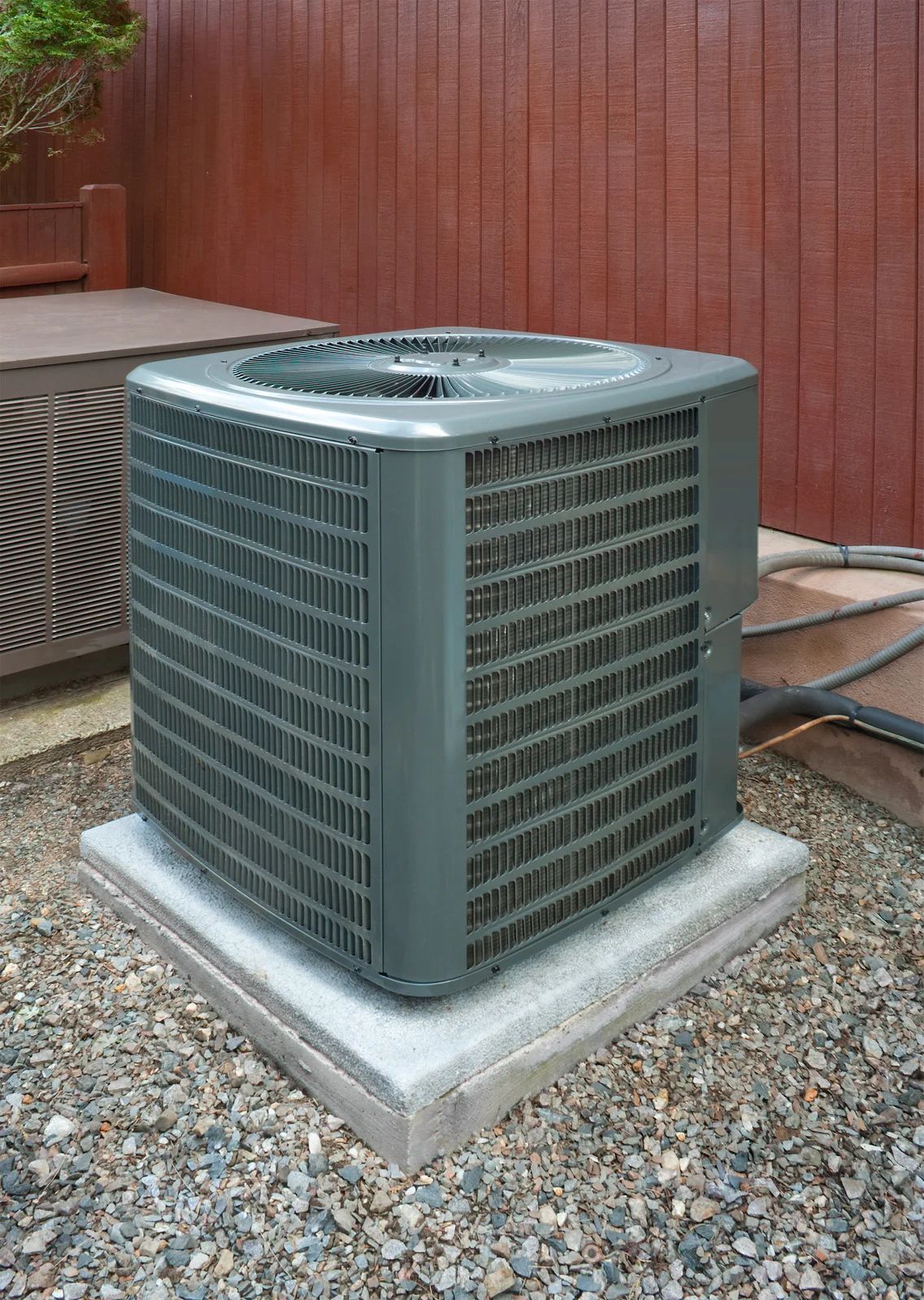
If the outdoor coil is caked in dust, pollen, or cottonwood fluff, the system can't reject heat properly, and refrigerant pressure inside the unit climbs before the compressor even starts moving. Starting a compressor against high head pressure is like asking a car to pull away in third gear. The motor works far harder than it should just to get going, and that added strain shows up as extra amp draw at the exact moment your breaker is watching closest.
Wiring or breaker sizing issues
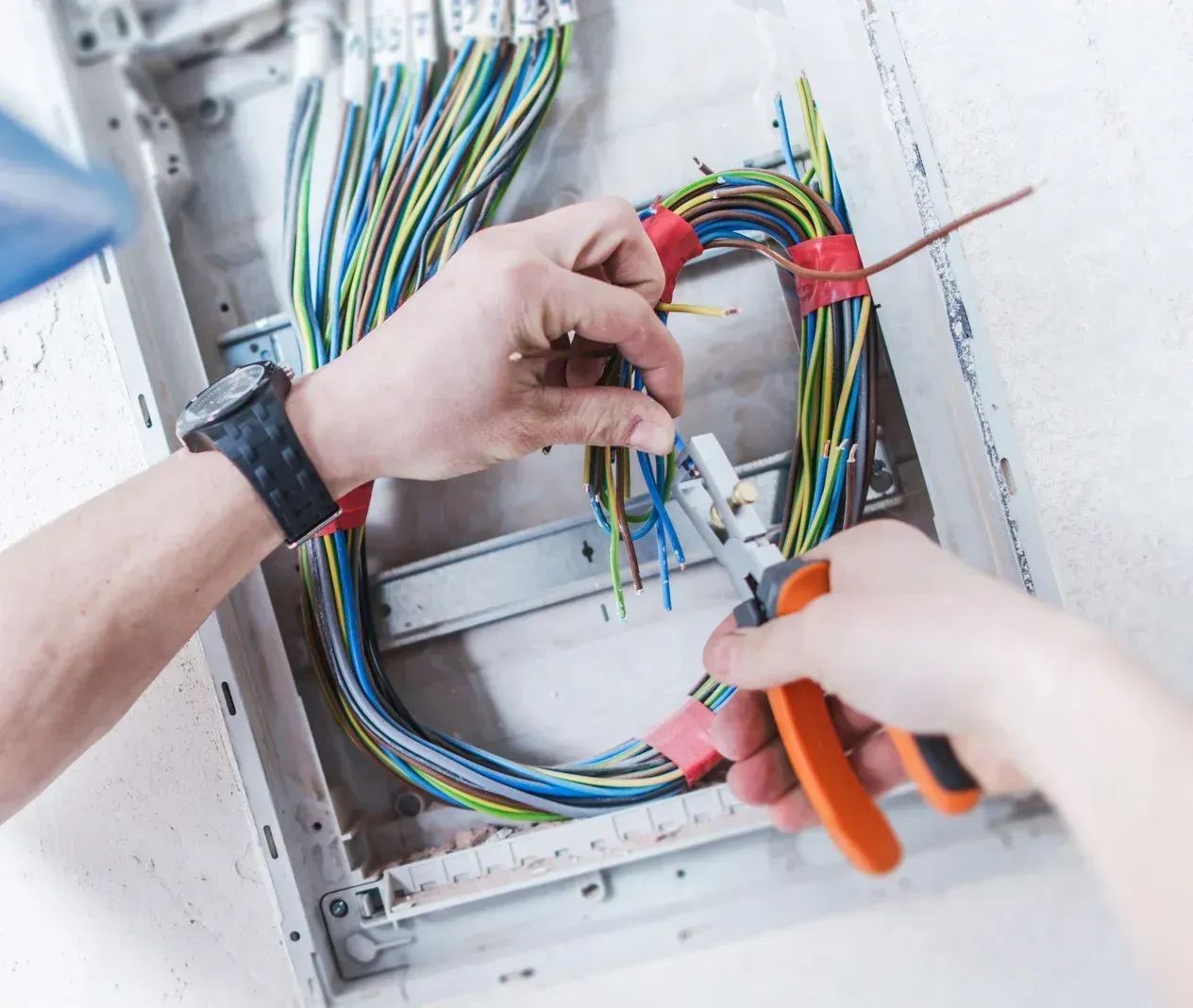
Less common, but real. A loose connection at the disconnect box, a breaker that's undersized for the unit, or wiring that's degraded over time can all reduce the voltage actually reaching the compressor. Lower voltage forces the motor to draw higher current to do the same amount of work, and that stacks directly on top of the normal startup surge, pushing the breaker past its limit.
A compressor that's on its way out
Nobody wants to hear this one, but it deserves a plain mention. A compressor with worn internal bearings, or windings that have started shorting against the housing, can pull current well beyond anything a capacitor or contactor issue would cause. If a technician swaps the capacitor and contactor, confirms both test within spec, and the breaker still trips the instant the compressor engages, the compressor itself is usually what's left on the list.
TIP Note exactly what the trip looks like before you call for service. Does it happen the instant you flip the breaker back on, a few seconds after the outdoor unit starts humming, or only after it's run for several minutes? That timing detail narrows the list of likely parts before a technician even opens the disconnect panel, which cuts real time off the visit.
Reading the Timing of the Trip
The moment a breaker trips relative to when the compressor engages tells a technician almost as much as a meter reading does. An immediate trip, where the breaker pops the instant you reset it and the outdoor unit tries to start, usually points to a short circuit, a grounded compressor winding, or a contactor that's failed in a way that's sending power somewhere it shouldn't. A trip that happens a second or two into the start cycle, right as the compressor should be ramping up to full speed, points more toward a capacitor that can't sustain the motor through that ramp-up.
A trip after the system has been running fine for ten or twenty minutes is a different problem entirely. That's usually a mechanical overload building from restricted airflow or a coil fouled enough to spike pressure over time, not a true startup fault.
You don't need to be an electrician to get a useful answer out of this. Paying attention to the pattern before you call, rather than after five or six resets, gives whoever shows up a real head start.
Resetting a tripped breaker over and over without knowing why it's tripping is where people get themselves into trouble.
WARNING Don't keep resetting a breaker that trips instantly every single time you flip it. An immediate, repeatable trip is often a sign of a short circuit or a compressor winding that's grounded out against the housing. Forcing power to a system in that condition risks damaging the compressor further, and in a worst case, it's a fire risk at the panel. If the trip is instant and repeats every time, leave the breaker off and get a technician out before you touch it again.
What a Technician Actually Checks
Call in a startup-trip complaint and the diagnostic path is fairly consistent. It usually starts with a visual inspection at the disconnect and contactor, checking for scorch marks, pitting, or loose lugs. From there, the capacitor gets checked with a meter against its rated microfarad value. Capacitors rarely fail all at once. They lose capacity gradually until they can't do the job anymore, so a reading well under spec is a clear answer on its own.
Amp draw gets measured during an actual start attempt where it's safe to do so, because locked rotor amps well above the compressor's rated LRA points hard toward the compressor itself. The condenser coil gets checked for buildup, and head pressure gets pulled if there's any reason to suspect airflow restriction is part of the picture.
Here's the part that matters for you: several of these issues produce the exact same symptom from where you're standing. The unit tries to start, then the breaker trips. There's no way to tell a bad capacitor from a failing compressor just by watching the outdoor unit from your patio. That's the actual value a diagnostic visit provides — narrowing five possible causes down to the one that's really happening in your system.
When It's a Simple Fix vs. a Bigger Problem
Most startup trips end up being a capacitor or contactor issue, and those get replaced in a single visit once the diagnosis confirms which one is at fault. Dirty coils are even simpler. A proper coil cleaning restores normal head pressure and often resolves the trip without touching any electrical parts at all.
The harder conversation comes when the compressor itself is the cause. A compressor with a grounded winding, or one that's mechanically seized, won't be fixed by swapping a capacitor, and continuing to force starts on it only makes the eventual outcome worse. Nobody wants to deliver that news over the phone, which is exactly why a hands-on amp reading during an actual start attempt beats guessing based on the unit's age.
Common Questions About AC Breakers Tripping on Startup
Is it safe to just keep resetting the breaker until the AC stays on?
Resetting once is usually fine if the trip happens minutes into a cycle. But if it trips instantly every time, stop, since that pattern means a short or grounded compressor.
Could this be the breaker itself failing rather than the AC?
Breakers wear out over years of service, but one that only trips when the AC tries to start is more likely reacting to a real current spike than failing alone.
Does a startup trip always mean the compressor is bad?
No. Capacitors and contactors cause most startup trips. A failing compressor is the least likely cause, usually confirmed only after the more common culprits are ruled out with actual readings.
Why does this seem to happen more in the middle of summer?
Higher outdoor temperatures push refrigerant pressures up, and heat is the biggest factor shortening a capacitor's working life. Both effects stack during peak summer, when a marginal part gives out.
Can a dirty air filter cause a breaker to trip on startup?
A dirty filter restricts airflow and can raise pressure over time, but that usually shows as a delayed trip after running rather than an instant trip at startup. Change anyway.
What's the difference between a run capacitor and a start capacitor?
A run capacitor stays in the circuit the whole time the compressor runs, helping it work efficiently. A start capacitor gives an extra boost at startup, then simply drops out.
How quickly does a problem like this usually get fixed?
Once the cause is identified, capacitor and contactor replacements finish in a single visit. A coil cleaning moves just as fast. A compressor problem simply takes longer to work through.
Know What's Really Behind the Trip
A breaker that trips the moment your AC starts is rarely random. It's the wiring protecting itself from a compressor that's struggling through its first second of work, whether that struggle comes from a tired capacitor, a pitted contactor, a dirty coil, or something deeper inside the compressor itself. Reading the timing of the trip, immediate versus delayed, already narrows down what's likely happening before anyone opens the panel. The pattern is a clue worth paying attention to rather than something to reset past.
With over 40
years of experience, CenTex Superior Services
has spent decades tracing this exact symptom back to its real cause across Belton-area homes, using amp readings and capacitance checks instead of guesswork. Central Texas heat pushes every one of these parts harder each summer, which is why a startup trip that seems minor in April can turn into a no-cool afternoon by July. Catching it early, with an accurate diagnosis, keeps a simple fix from becoming a bigger one.