The Rewiring Process Explained: What Homeowners Should Know
Home electrical systems are often taken for granted until warning signs begin to appear. Outdated wiring, frequent circuit trips, flickering lights, or burning odors can indicate deeper electrical issues that may compromise safety and performance. Rewiring is not just a technical upgrade; it is a critical step toward ensuring a home remains safe, efficient, and compliant with modern electrical demands. As households increasingly rely on high-powered appliances, smart devices, and HVAC systems, older wiring systems struggle to keep up with the load.
This guide breaks down the rewiring process in a clear and practical manner, helping homeowners understand what happens before, during, and after the work is completed. From initial inspection to final testing, each stage plays a vital role in ensuring a reliable electrical system. With the right knowledge, homeowners can confidently navigate the process and recognize the importance of professional electrical work in maintaining a secure living environment.
Understanding Home Rewiring and Warning Signs
What Rewiring Actually Involves
Home rewiring refers to the complete or partial replacement of outdated electrical wiring systems within a property to ensure long-term safety and performance. This process includes upgrading cables, sockets, switches, distribution boards, and grounding systems. The primary goal is to align the electrical infrastructure with current safety standards and modern energy demands required by today’s households and appliances. Older homes often contain aluminum or cloth-insulated wiring, which deteriorates over time due to heat, moisture, and continuous electrical load stress.
Key Warning Signs Homeowners Should Notice
Several indicators suggest that rewiring may be necessary in residential or commercial properties to avoid serious electrical risks and system failures over time. These warning signs often develop gradually and should never be ignored, as they point toward underlying wiring deterioration or overloaded circuits within the system infrastructure.
- Frequent tripping of circuit breakers during normal appliance usage
- Flickering or dimming lights in multiple rooms without a clear reason
- A burning smell near outlets or switches indicates insulation damage
- Discolored or warm electrical outlets suggest hidden wiring faults
- Buzzing sounds from electrical panels during operation or load changes
- A limited number of sockets in rooms is causing unsafe extension usage
Ignoring these signs can lead to serious hazards, including electrical fires, equipment damage, or complete system failure in critical areas of the home.
Electrical Inspection and Planning Phase
Detailed System Assessment
Before any rewiring begins, a full and detailed electrical inspection is conducted to carefully evaluate the condition of existing wiring throughout the entire property structure. This includes checking insulation quality, load capacity, grounding systems, circuit distribution panels, and overall system performance under normal usage conditions. Faulty circuits are identified, documented, and areas requiring immediate corrective action are prioritized systematically.
This stage ensures that the rewiring plan is tailored specifically to the property’s unique electrical needs rather than applying a generic or one-size-fits-all approach that may overlook critical safety or performance requirements within the building infrastructure and usage patterns.
Designing a Modern Electrical Layout
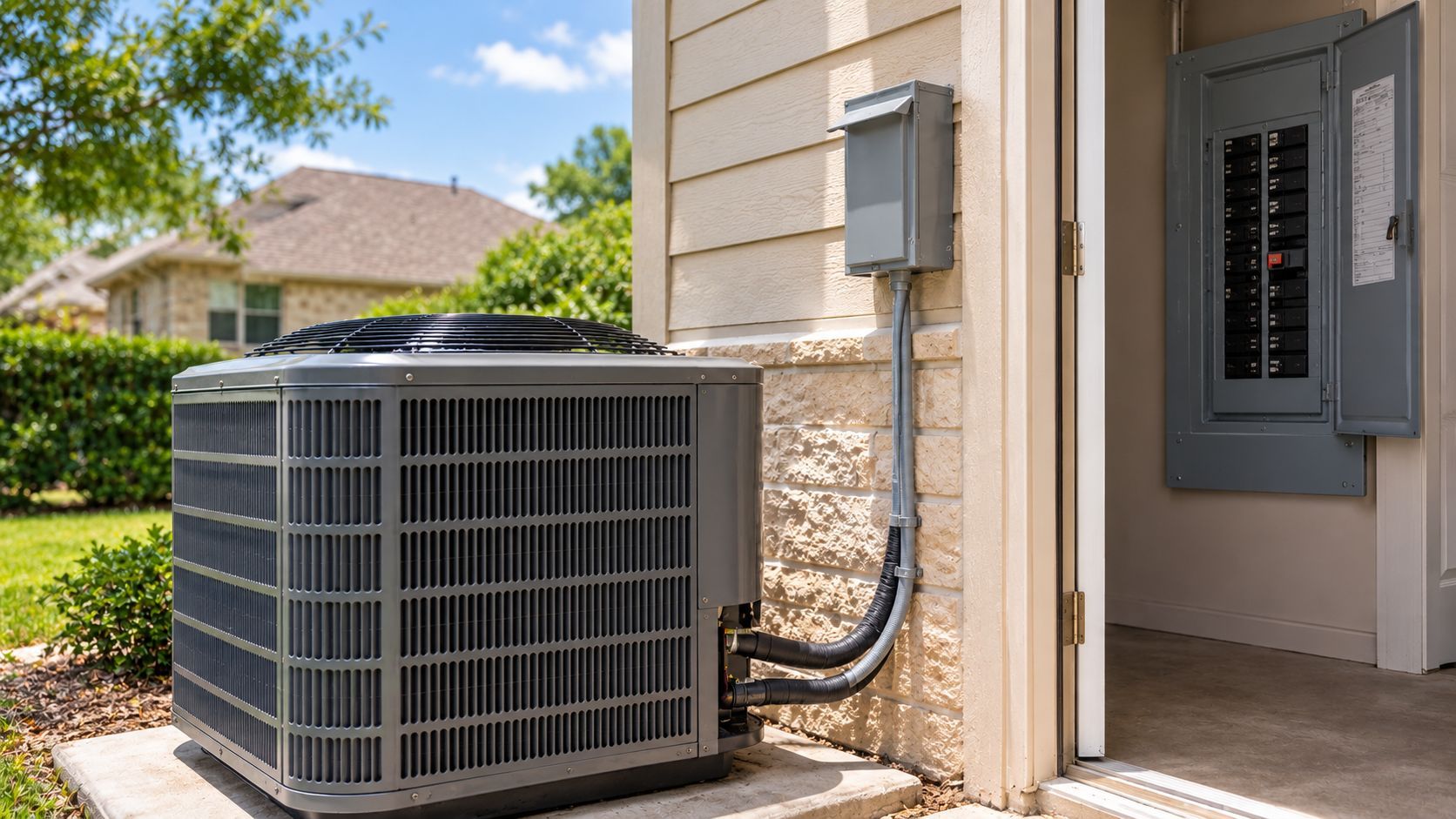
A well-planned electrical layout is essential for ensuring long-term efficiency, safety, and convenience within residential or commercial environments. The design phase includes mapping socket locations, lighting points, appliance circuits, and dedicated electrical lines for high-load systems such as HVAC units and kitchen equipment.
Modern homes require significantly more power distribution points than older layouts originally provided decades ago during construction planning. Proper planning ensures balanced load distribution across all circuits and reduces the risk of overload, voltage drops, or unexpected power interruptions during peak usage periods.
Safety and Compliance Considerations
All rewiring plans must strictly comply with updated electrical codes, safety regulations, and regional inspection standards to ensure legal and operational compliance. This includes proper grounding, circuit protection systems, fire safety mechanisms, and installation practices approved by regulatory authorities governing electrical work.
Ensuring compliance not only improves safety but also enhances property value, insurance eligibility, and long-term system reliability while reducing the risk of penalties or failed inspections during property evaluations or future resale processes significantly.
Step-by-Step Rewiring Process Explained
Preparation and Power Isolation
The rewiring process begins by safely disconnecting the main power supply to eliminate all electrical risks during installation work. This ensures that all work is carried out in a completely hazard-free environment where technicians can operate safely without exposure to live circuits or unexpected electrical surges.
Protective measures are implemented to safeguard occupants, furniture, and structural elements during the entire installation process. Furniture and fixtures may be temporarily moved, covered, or secured to prevent dust, debris, or accidental damage during wiring access and wall modification activities.
Removal of Old Wiring System
Existing wiring is carefully removed, isolated, or decommissioned depending on structural accessibility and safety conditions within the property. In some cases, old cables are left in place if removal is not structurally feasible or may damage walls, ceilings, or load-bearing elements of the building.
However, all outdated wiring is completely disconnected from the active electrical system to ensure it cannot carry current or pose any hidden safety risks in the future electrical configuration of the property infrastructure and usage environment.
Installation of New Wiring Infrastructure
New electrical cables are installed according to the approved electrical layout plan designed during the planning phase of the project. This includes precise routing of wires through walls, ceilings, conduits, and protective channels to ensure safety, durability, and long-term performance under varying electrical loads.
High-quality insulated wiring is used throughout the installation process to ensure resistance against heat, moisture, and wear over time. Dedicated circuits are installed for appliances requiring higher power loads, significantly reducing strain on the overall electrical system and improving operational stability.
Socket, Switch, and Panel Upgrades
Once wiring installation is complete, new sockets, switches, and upgraded electrical panels are installed across all designated points in the property. Modern breaker panels are designed to automatically shut off power during overloads, short circuits, or electrical faults, significantly improving overall system safety.
Smart electrical configurations may also be introduced depending on homeowner requirements, including automation features, energy monitoring systems, and advanced safety controls that enhance convenience, efficiency, and long-term electrical management within the property environment.
Testing, Safety Checks, and Final Integration
Comprehensive Electrical Testing
After installation, a series of rigorous electrical tests are conducted to ensure complete system reliability and safety across all circuits. This includes continuity testing, load testing, insulation resistance checks, and voltage verification to confirm proper electrical flow and stability throughout the entire system.
Each circuit is evaluated individually to ensure correct functionality under real-world load conditions. Any inconsistencies, weak connections, or performance issues are identified and corrected immediately before final system approval and activation procedures are completed.
Safety Verification and Load Balancing
Proper load distribution is carefully verified to ensure that no circuit is overloaded or operating beyond its safe capacity limits. Grounding systems are thoroughly tested to confirm protection against electrical shocks, surges, and unexpected voltage fluctuations that could damage appliances or endanger occupants.
This step is critical for long-term system stability, ensuring that electrical loads are evenly distributed across all circuits and that the entire infrastructure operates safely under continuous usage conditions without performance degradation.
Final Activation and System Handover
Once all testing procedures are successfully completed, the entire electrical system is safely re-energized and brought back into active operation. Homeowners are guided through the new electrical layout, including breaker panel functions, circuit identification, and essential safety procedures for daily use.
Clear documentation is also provided for future reference, maintenance planning, and potential upgrades, ensuring long-term understanding of the electrical system structure and operational behavior within the property environment.
Best Practices, Costs, and Long-Term Benefits
Importance of Professional Execution
Rewiring is a highly complex technical process that requires advanced expertise, precision, and strict adherence to electrical safety standards at every stage of execution. Professional execution ensures that all components are installed correctly, tested thoroughly, and integrated safely into the existing or upgraded electrical infrastructure.
Cost Factors and Project Scope
The cost of rewiring varies depending on several important factors that directly influence project complexity and material requirements during execution. These include property size, layout complexity, age and condition of existing wiring, number of outlets and circuits required, type of materials used, and accessibility of wiring pathways.
While rewiring may seem like a significant financial investment initially, it ultimately prevents costly repairs, reduces long-term maintenance issues, and enhances overall electrical efficiency, safety, and property value over time significantly.
Long-Term Advantages of Rewiring
A properly rewired home offers multiple long-term advantages that significantly improve safety, functionality, and energy efficiency across all electrical systems within the property environment. These benefits include improved electrical safety, reduced fire risk, better energy efficiency, increased property value, and compatibility with modern appliances and smart systems.
Additionally, reduced maintenance issues over time and improved system reliability ensure consistent performance, while also eliminating hidden electrical risks that could otherwise compromise household safety or lead to unexpected system failures in the future.
Dependable Electrical Work Supporting Home Safety Standards
Understanding the rewiring process helps homeowners make informed decisions about electrical safety and system upgrades. From inspection and planning to installation and testing, each stage plays a vital role in ensuring a reliable and efficient electrical infrastructure. Addressing outdated wiring not only prevents hazards but also supports modern energy demands and home functionality.
CenTex Superior Services
provides trusted expertise in HVAC and electrical solutions, supported by over 40
years of hands-on industry experience in Belton, Texas. Our approach focuses on precision, safety, and long-term reliability in every project we handle. With deep technical knowledge and a commitment to excellence, we ensure every rewiring project meets the highest standards of performance and safety.